
 |
 |
 |
 |
 |
 |
 |
 |
 |
 |
 |
|
|
 |
|
|
|
we accept  |
|
proud member of  |
|
proud member of  |
|
proud member of  |
|
proud member of  |
|
|


KalumburuThe
Aboriginal community of Kalumburu is the most northern settlement
in Western Australia. Situated on the banks of the King Edward River,
access is by a The area has been home for many thousands of years to the local aboriginal people. The community is currently home to approximately 400 residents with around 25 non Aboriginals, who help provide the community with essential services. Sacred Earth Safaris Tours Sacred Earth Safaris have been visiting Kalumburu for many years
now and has established a good relationship with the community as
well as a friendship with local guides. We are fortunate to be able
to take private tour groups into the community
to camp and to take an Aboriginal Rock Art & Cultural tour with
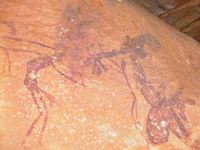
one of the local guides. During these tours, we see ancient Aboriginal
art, learn of traditional hunting skills, painting and bushtuckers
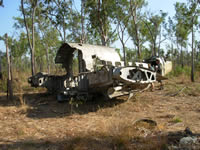
as well as visiting wreckage of aircraft shot down during WW11
Truscott airbase or further rock art exploration during a private charter, depending on your particular interests.Depending on road conditions, we either camp in the mission grounds
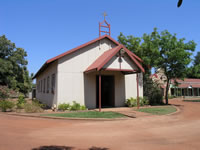
or on the beach. Father Anscar, the parish priest, also has an interesting collection of artifacts and Aboriginal items, which he displays in the museum. He offers regular tours of the museum to visitors, whether on a Kimberley tour with Sacred Earth Safaris or travelling independently. It is also possible to purchase art directly from the Kalumburu artists and Lily Kareda is the most prolific with an individual style, recognized Australia-wide. Kalumburu is also an excellent spot for fishing and we can allow time on our Kimberley safaris to do some fishing here, if we know when you book and we'll need to carry fishing rods with us as none are available from the community. Barramundi, Reef fish and pelagics can be caught year - round.
|
 rough dirt road during the dry season only, with
light aircraft access year round.
rough dirt road during the dry season only, with
light aircraft access year round.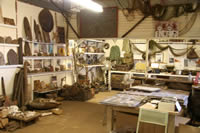
 History Of Kalumburu